

Body & Brain
Body & Brain
ADHD doesn’t stop at your thoughts. It shows up in how you sleep, eat, move, and feel across your cycle. Many women notice their symptoms (and their medication) seem to change from week to week, and almost no one explains why. Hormones, sleep, nutrition, and exercise all shape how an ADHD brain functions.
As a Certified Mental Health & Nutrition Clinical Specialist, I dig into the research on ADHD and sleep, hyperfixation eating, PMDD, why stimulants can feel weaker before your period, omega-3s, and why so many women with ADHD are drawn to running.
Unmasked Adhd Blog
Body & Brain
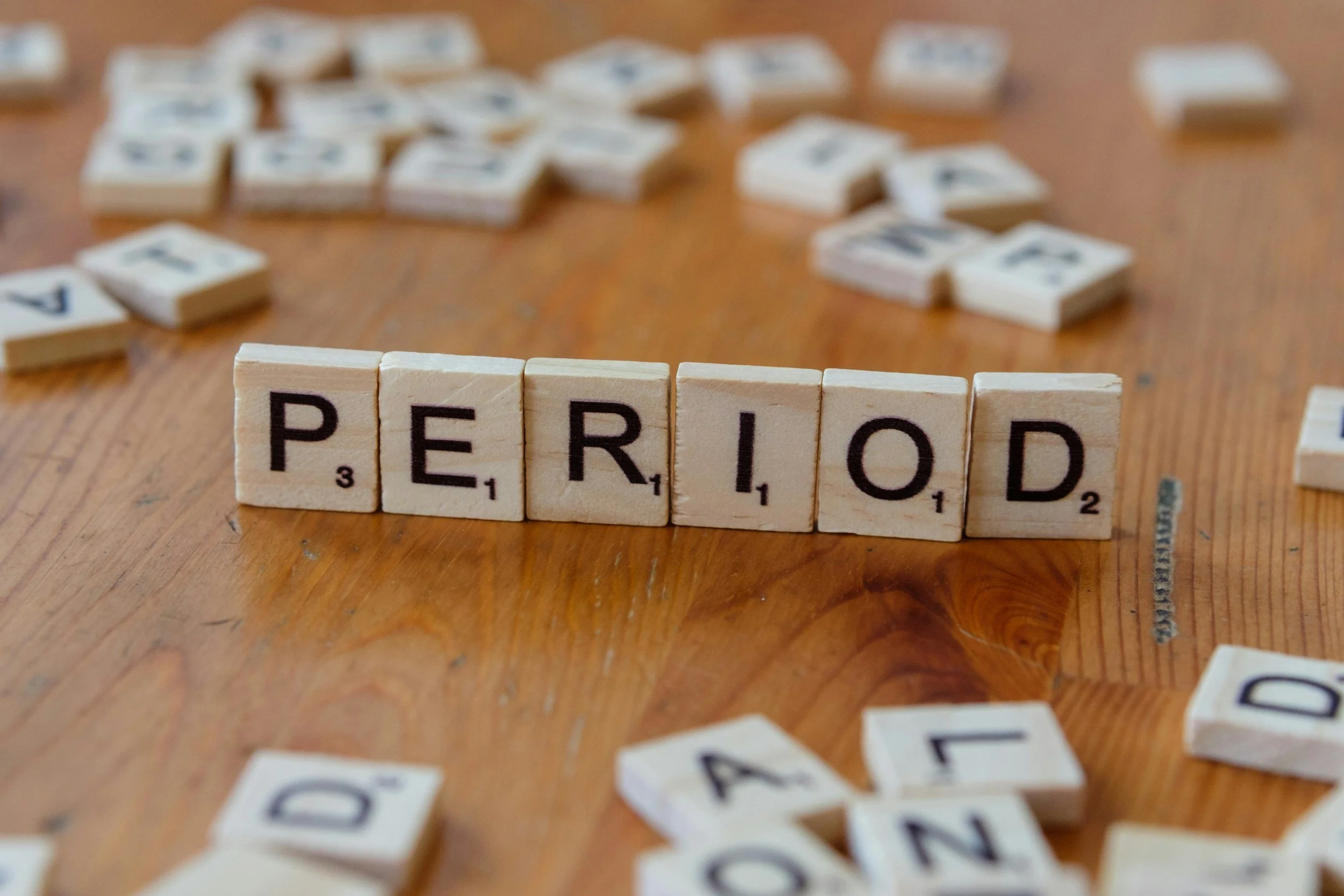
PMDD and ADHD in Women: Why the Week Before Your Period Feels Like Falling Apart
PMDD and ADHD in women often go hand in hand. Nearly half of women with ADHD report PMDD symptoms, and it can get worse in perimenopause. Learn why emotional dysregulation spikes before your period, plus DBT skills, cycle tracking, and executive functioning tools that help.

Why Your ADHD Gets Worse in Winter (And How Light Therapy Can Help)
Why does your ADHD feel worse every winter? Shorter days throw off your body clock, drain your dopamine, and make focus harder. Learn what the research says about light therapy for ADHD in women, how to use a therapy light, and simple ways to feel like yourself again.

ADHD in Women and Hyperfixation Eating: Why You Eat the Same Food Until You Suddenly Can't
Eating the same meal every day until you suddenly can't stand it? That's hyperfixation eating, and it's common in ADHD in women. Learn why your dopamine-seeking brain locks onto one food, why it crashes, and three simple, non-restrictive ways to keep the novelty alive longer.

ADHD in Women and Sleep: Why Your Brain Won't Shut Off at Night
Your ADHD brain doesn't sleep like everyone else's, and science backs that up. Learn why nighttime brain activity looks different in ADHD, plus research-backed tools like morning light, magnesium glycinate, and consistent wake times to actually get the rest you need.

More Runners May Have ADHD Than We Realized: What a New Study Means for Women Who've Always Been Drawn to Endurance Sports
Many women with ADHD are drawn to running, marathons, and endurance sports—but why? New research suggests ADHD traits may be more common in endurance runners than in the general population. Discover what this means for women with ADHD, how exercise may support executive functioning and emotional regulation, and practical strategies for managing ADHD while training for long-distance races.
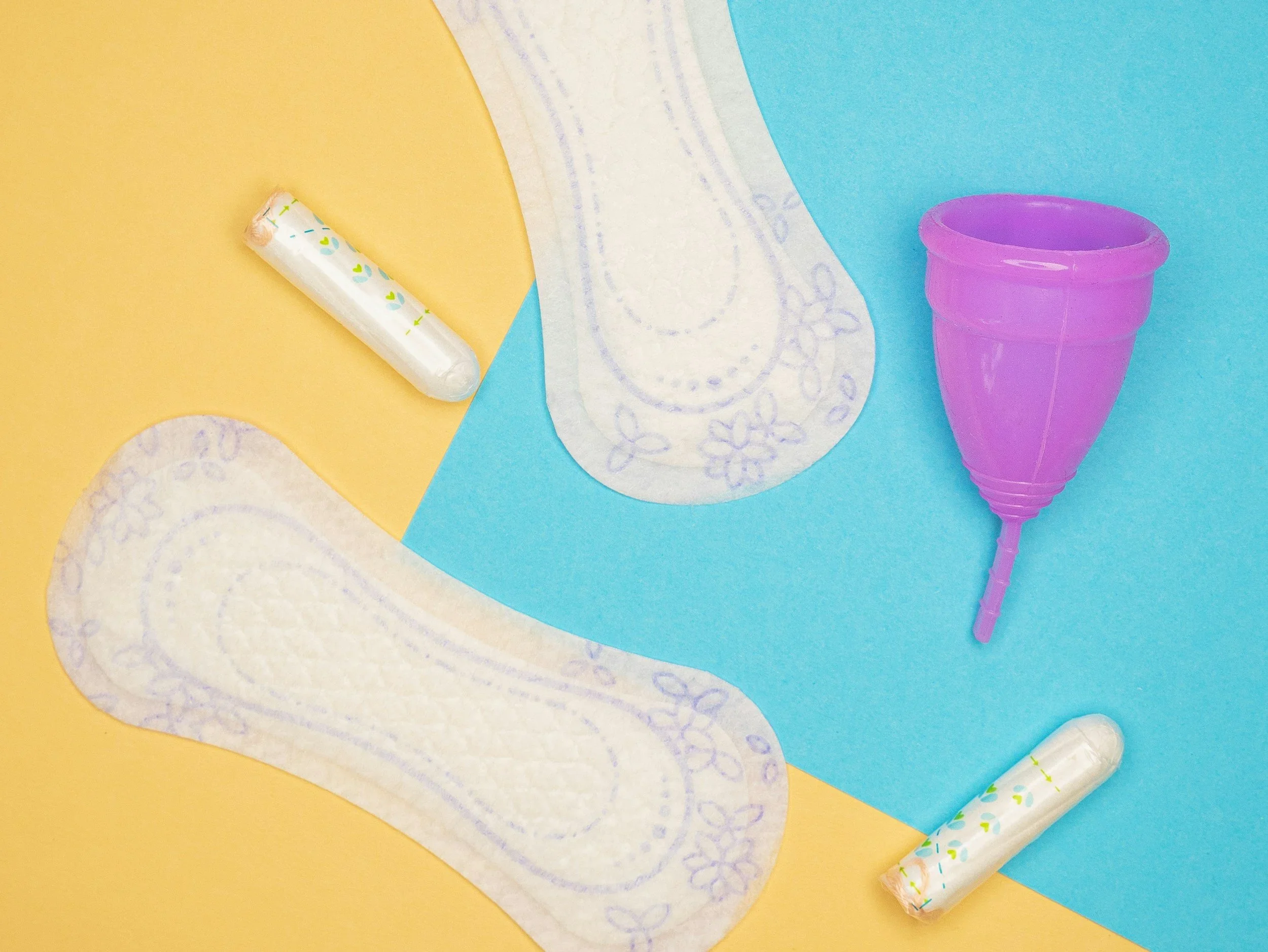
Why Your Stimulants Stop Working on Your Period (And What the Research Says About It)
Have you noticed that your ADHD medication seems less effective before your period? Research suggests that hormonal fluctuations, particularly changes in estrogen levels, can impact dopamine regulation and ADHD symptoms throughout the menstrual cycle. Learn why your stimulants may feel like they stop working during the luteal phase, what the latest ADHD and hormone research says, and practical strategies for managing ADHD symptoms during your period.
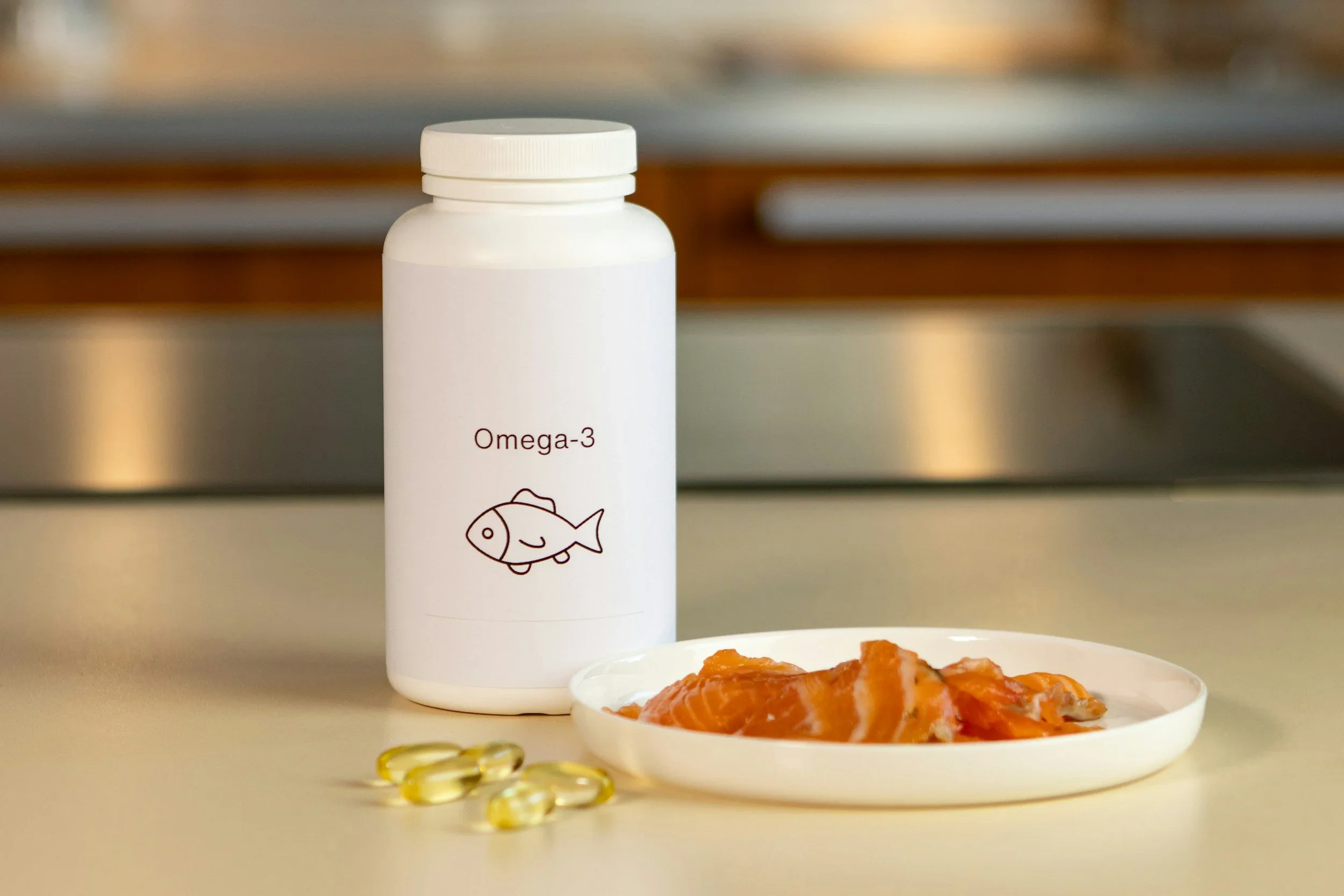
ADHD and Omega-3s: What the Science Really Says About Fish Oil and Focus
Wondering if omega-3s or fish oil can help with ADHD symptoms? Learn what the research actually says about omega-3s, brain health, and attention — plus safe dosage, the best types, and trusted supplement brands.
Find Your Topic
Start With What You Need Most

ADHD in Women 101
Still wondering, “Wait… is this ADHD?” Start here. Learn why ADHD in women hides behind high achievement, and why so many of us aren’t diagnosed until adulthood.

Executive Function & Daily Life
When “just make a list” has never once worked for you. Learn real-life strategies for time blindness, procrastination, and getting started, built for how your brain actually works.

Burnout & Overfunctioning
For the woman who does it all and is quietly running on empty. Learn how ADHD burnout happens, how to catch it early, and how to stop holding everything together alone.

Body & Brain
Why your focus, mood, and meds seem to change from week to week. Learn how sleep, hormones, food, and movement shape your ADHD, and what the research says actually helps.

Anxiety & Relationships
The overthinking, the people-pleasing, the 2 a.m. replays. Learn how ADHD and anxiety feed each other, and what helps with boundaries, attachment, and connection.

Tools I Actually Use
For anyone with a drawer full of focus products that didn’t help. Learn about which books, planners, fidgets, and supplements an ADHD therapist actually recommends, and why.

My Favorites
Tools That Actually Help
These are the books, fidgets, planners, and supplements I recommend most often, chosen because they make everyday life with ADHD easier, not because they look good on a shelf.
And for the days your brain hits a wall, my printable ADHD Reset Sequence Workbook walks you from shutdown back to the next doable thing in 5 simple steps.
Some links are affiliate links, which means I may earn a small commission at no extra cost to you. Read my disclosures.
Before You Go